
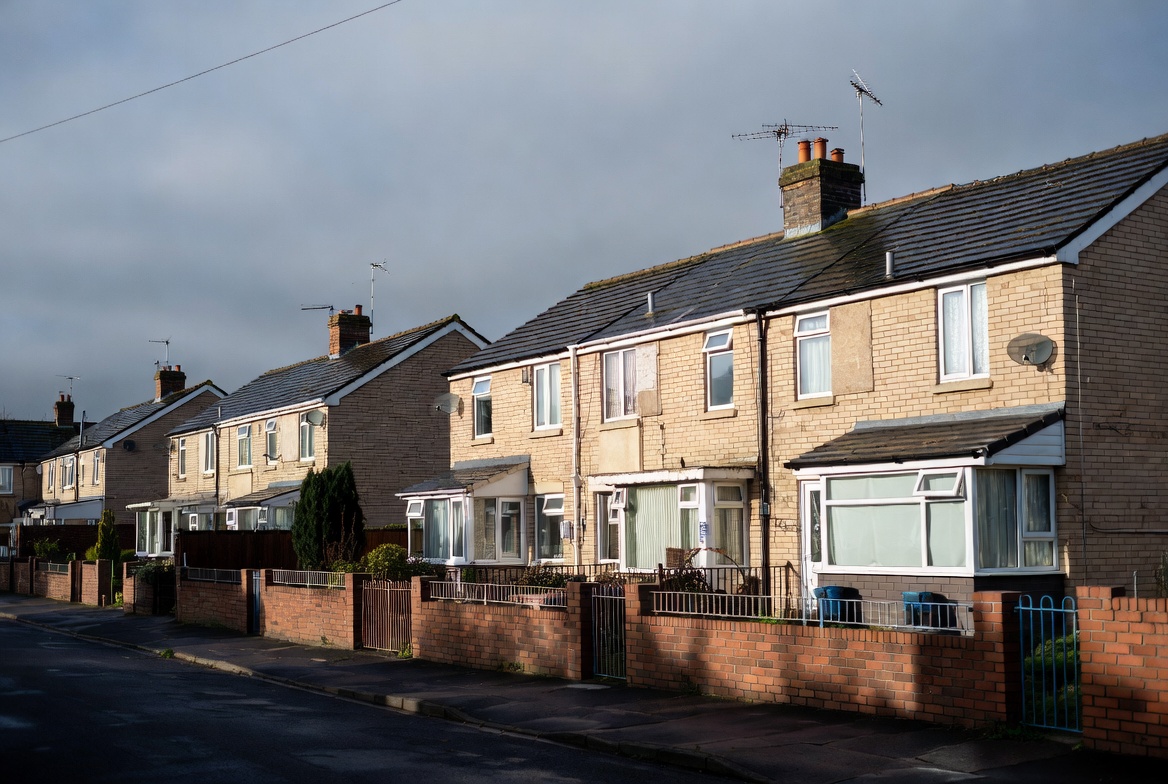
The Government reduced the maximum Right to Buy (RTB) discount from £102,400 to £26,000 with effect from 21 November 2024. Below we set out the numbers, the local (Sandwell) example, why this change matters for social housing, and thepractical implications for tenants and councils.
Executive summary
The reduction in the maximum RTB discount is a major policy correction. Prior to the change there
was a noticeable loss of social homes in many local authorities caused by RTB sales outstripping
replacements through new build and buy-back programmes. The new, lower discount reduces the
financial incentive to remove social housing from the system for speculative gain, helping
councils retain more homes for the most vulnerable.
The impact of Right to Buy (Sandwell example)
| Year | RTB Apps | RTB Sales* | New Builds | Buy-backs |
|---|---|---|---|---|
| 2019/20 | 683 | 281 | 69 | 37 |
| 2020/21 | 525 | 176 | 52 | 78 |
| 2021/22 | 704 | 288 | 142 | 85 |
| 2022/23 | 595 | 274 | 47 | 20 |
| 2023/24 | 493 | 176 | 15 | 11 |
| 2024/25 | 1,828 | 174 | 14 | 23 |
*RTB Sales = applications granted (purchase completed)
- Total RTB applications (2019–2025): 4,828
- Applications in 2024/25: 1,828 (37.8% of the six-year total)
- Applications granted in 2024/25: 174 (9.5% of 2024/25 applications)
- Total properties lost to RTB (2019–2025): 1,369 (≈4.9% of current social housing stock)
- New builds added (2019–2025): 339
- Properties re-purchased (buy-backs): 254
- Stock replacement (new builds + buy-backs): 593 – ≈43% of properties lost to RTB in the period
What changed and how much the discount was reduced
Previous maximum discount: £102,400
New maximum discount (from 21 Nov 2024): £26,000
Net effect: Maximum discount reduced by £76,400 – a reduction of approximately 75%.
Why this is good news – practical and social arguments
1. Protecting and stabilising social housing stock
The pre-2024 position saw net losses of social homes because RTB sales frequently outpaced the number
of homes returned via buy-backs and newly constructed council housing. The lower discount lessens the
incentive to purchase for speculative reasons and should reduce net stock loss.
2. Prioritising social housing for its intended purpose
Social housing should principally provide:
- Cheap, secure accommodation for disabled and vulnerable people.
- A route for working-age households to stabilise and save towards longer-term homeownership.
Reducing the RTB discount helps ensure homes remain available for those two core objectives rather than
being used primarily as a route to speculative profit.
3. Reducing perverse incentives and speculative behaviour
There have been instances where properties bought under RTB were quickly sold on or retained long enough
to avoid discount repayment and then sold at a large profit. A substantially smaller discount weakens the
economics of such behaviour.
4. Better outcomes for tenants who remain in social housing
Tenants remaining in social housing continue to enjoy benefits that are often unavailable in the private
rented sector, including:
- Lower rents compared with many privately rented alternatives.
- Security of tenure – clearer rights and greater stability for occupiers.
- Repair and maintenance responsibilities resting primarily with the landlord (the council).
5. RTB remains a route to ownership for those who need it
The scheme still allows qualifying tenants to purchase their home. The capped discount (£26,000) still
offers a contribution that many households can use towards a deposit. For tenants genuinely seeking long-term
owner-occupation, RTB remains one useful option among others such as shared ownership.
Practical implications for councils and tenants
For councils
- Expect fewer RTB sales; use this opportunity to plan stock retention and investment strategies.
- Prioritise targeted new build programmes and strategic buy-back activity to close the replacement gap.
- Strengthen measures to detect and deter speculative or fraudulent use of RTB purchases.
For tenants and prospective buyers
- If you planned to buy purely for short-term profit, the financial case is much weaker under the new discount.
- If your intention is long-term owner-occupation, RTB remains an option but expect a smaller discount contribution. Consider shared ownership, Help to Buy alternatives and disciplined saving for a larger deposit.
Frequently asked questions (brief)
Will councils now have more homes available to allocate?
The reduced discount will slow RTB-driven losses, but councils still need to accelerate new builds and buy-backs
to rebuild stock lost in prior years.
Does the reduced discount affect those who already purchased?
No – past purchases are not affected. The discount change applies to RTB transactions from the effective date.
Is RTB being abolished?
No. RTB continues as a route for qualifying tenants to buy, but with a lower maximum discount in many areas.
Conclusion
The reduction in the maximum Right to Buy discount – from £102,400 to £26,000 – is a decisive measure to
protect scarce social housing. It reduces the incentive to remove social homes for short-term gain, strengthens
councils’ capacity to retain and replenish stock, and helps ensure social housing remains focused on supporting
those most in need. RTB still exists as a route to ownership for genuine owner-occupiers, but the reform rightly
rebalances the system towards its core social objectives.