
The Landlord and Tenant Act 1985 is a cornerstone of UK property law, outlining the responsibilities of landlords and the rights of tenants. This guide provides a detailed summary of these key points, complete with examples of breaches and case studies on compensation.
Landlord’s Responsibilities
Under the Landlord and Tenant Act 1985, landlords have several key responsibilities:
- Identity Disclosure: Landlords are required to provide their name and address to tenants upon written request. This information must be supplied within 21 days of the request. For instance, if a landlord fails to provide this information, they could face legal repercussions, such as fines (Keyword: Landlord Identity Disclosure).
- Corporate Landlord Information: If the landlord is a corporate entity, they must provide the names and addresses of all directors and the secretary upon the tenant’s request. Non-compliance could lead to legal action by the tenant (Keyword: Corporate Landlord Information).
- Notification of Landlord Change: In the event of a change in landlord, the new landlord must notify the tenant in writing within two months or by the next rent payment day, whichever is later. Failure to do so could result in legal penalties (Keyword: Landlord Change Notification).
- Rent Book Provision: For tenants paying rent weekly, landlords must provide a rent book or similar document. This does not apply if the rent includes a substantial payment for board. A landlord who does not provide a rent book could be held accountable in court (Keyword: Rent Book Provision).
- Rent Book Information: The rent book must contain the landlord’s name and address, and if the premises are occupied under a restricted contract, it should also include details of the rent and other terms and conditions. Incorrect or missing information could lead to legal disputes (Keyword: Rent Book Information).
- Fitness for Human Habitation: Landlords are required to ensure that the property is fit for human habitation at the start of the tenancy and maintain this standard throughout the tenancy. In the case of Edwards v Kumarasamy (2016), the landlord was held liable for injuries the tenant suffered due to the property’s poor condition (Keyword: Fitness for Human Habitation).
Tenant’s Rights
The Act also outlines several rights for tenants:
- Right to Landlord’s Information: Tenants have the right to request and receive the landlord’s name and address in writing. If the landlord is a corporate body, tenants can also request the names and addresses of all directors and the company secretary. Failure to provide this information could lead to legal action by the tenant (Keyword: Tenant’s Right to Information).
- Right to Rent Book: For tenants paying rent weekly, they have the right to receive a rent book or similar document from the landlord. If the landlord fails to provide this, the tenant could potentially seek legal redress (Keyword: Right to Rent Book).
- Right to Habitable Property: Tenants have the right to live in a property that is fit for human habitation from the start of the tenancy and throughout its duration. In the case of Homes (Fitness for Human Habitation) Act 2018, tenants can now sue landlords for compensation if their homes are found to be unfit for living (Keyword: Right to Habitable Property).
Examples of Uninhabitable Properties
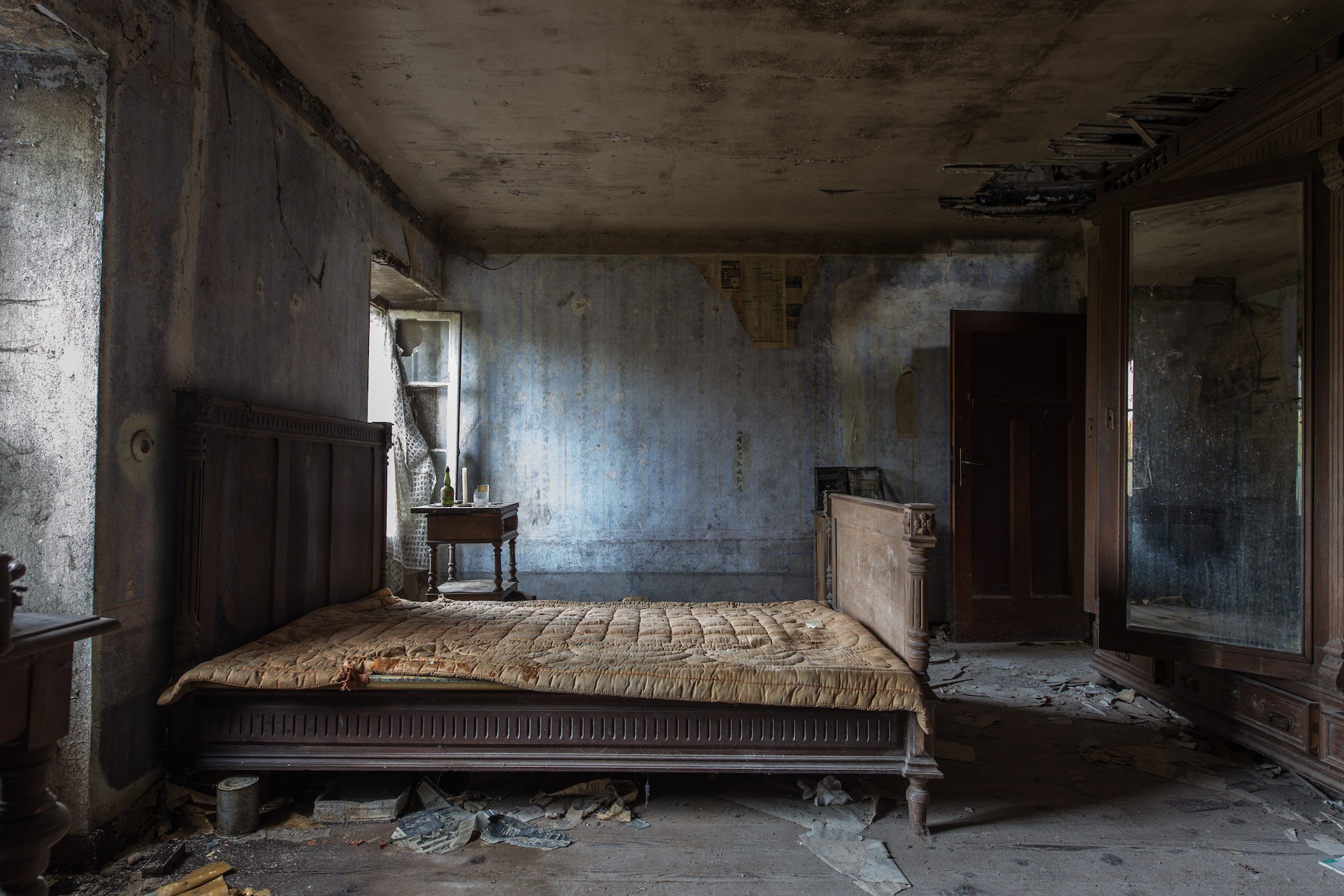
An essential aspect of the Landlord and Tenant Act 1985 is the requirement for properties to be fit for human habitation. But what does this mean in practical terms? Here are some examples of conditions that could render a property uninhabitable:
- Severe Damp and Mould: Persistent damp can lead to the growth of mould, which can cause health problems and damage to belongings. If a property has severe damp and mould issues that the landlord fails to address, it could be deemed unfit for habitation (Keyword: Damp and Mould).
- Structural Issues: Significant structural problems, such as a collapsing roof or unstable walls, can make a property dangerous to live in. A property with such issues would likely be considered uninhabitable (Keyword: Structural Issues).
- Lack of Basic Facilities: A property that lacks basic facilities such as a functioning toilet, running water, or heating could be considered unfit for habitation. These are essential for tenants to live safely and comfortably (Keyword: Basic Facilities).
- Infestations: Infestations of pests like rats, mice, or bedbugs can pose health risks and make a property uninhabitable. Landlords are typically responsible for dealing with infestations (Keyword: Pest Infestation).
- Hazardous Materials: The presence of hazardous materials, such as asbestos or lead paint, can also render a property unfit for habitation. Landlords are generally responsible for removing these materials safely (Keyword: Hazardous Materials).
These are just a few examples. The specific circumstances can vary, and it’s always important for tenants to communicate with their landlords about any concerns. If a landlord fails to address these issues, tenants may have legal recourse under the Landlord and Tenant Act 1985.
Case Studies: Compensation for Breaches of the Regulation
Case Study: Uddin & Anor v Islington London Borough Council (2015)
In this case, a tenant resided in a property that suffered from rising damp. Despite the Council’s efforts to address the problem, the court found them in breach of their repairing obligation under Section 11 of the Landlord and Tenant Act 1985. The Claimants were awarded damages of £14,680 (Keyword: Compensation for Damp).
Case Study: Edwards (Respondent) v Kumarasamy (Appellant) [2016] UKSC 40
The tenant tripped on an uneven paving slab on the pathway leading to the front entrance of the building. The Supreme Court held that the pathway lay wholly outside the main building and could not be described as part of the structure and exterior. The Supreme Court also reaffirmed the basic principle that a landlord is not liable for disrepair to premises which are in the possession of the tenant, unless and until the landlord has notice of the disrepair (Keyword: Landlord Liability).
Case Study: Mr W and the Housing Association (2018)
Mr W approached Angelus Law for advice regarding multiple issues in his property in Cheshire, including blown windows leading to drafts, broken and degraded plaster, unsecured door fittings, and severe damp. Despite Mr W’s repeated complaints to his housing association, the property remained in a state of disrepair. After negotiations, the housing association agreed to carry out the repair works within a 2-month period and pay Mr W compensation of £2,900 for the stress, inconvenience, and loss of enjoyment of the property during the period of disrepair (Keyword: Housing Association Compensation).
Case Study: Lee v Leeds City Council (2002)
The tenant brought a claim under the premise of there being damp and condensation in the property. However, the court held that the damp/condensation must have occurred as a result of a part of the property being in disrepair, rather than due to a design defect. This case highlights the importance of distinguishing between disrepair and design defects when bringing a claim under the Landlord and Tenant Act 1985 (Keyword: Damp and Condensation Claims).
This comprehensive guide provides an in-depth look at the Landlord and Tenant Act 1985, outlining the key responsibilities of landlords and the rights of tenants. By understanding these points, landlords can ensure they are fulfilling their legal obligations, and tenants can ensure their rights are being respected.
Please note that the information provided in this article is intended for general informational purposes only and does not constitute legal advice. While we strive to provide accurate information, laws and regulations can change, and the information may not reflect the most current legal developments. Therefore, for any specific legal issues, it is always advisable to seek independent legal advice from a qualified professional who is aware of the full circumstances and documentation. This article should not be used as a substitute for such advice.